
Schmidt & Schmidt provides document procurement services for civil status records in the United States, including obtaining duplicates of lost or damaged documents, followed by their legalization and translation.
It is not uncommon for civil status documents to be lost or damaged, or for up-to-date copies of documents to be required. In such cases, duplicate copies must be obtained. Those who have left the United States often face difficulties with this procedure. Our service allows you to procure documents from the United States remotely, and we can arrange courier delivery of the document to any destination worldwide.
What is document procurement in the United States?
Document procurement is the official procedure for obtaining a certified copy or certificate from a competent government authority in the United States. A fundamental difference between the U.S. and European systems is that there is no single federal civil status records registry in the United States. Records of births, marriages, divorces, and deaths are maintained by the relevant civil records authorities of the respective state, territory (Puerto Rico, Guam, etc.), or local jurisdiction — county or city — depending on the laws of the particular state.
Court documents — such as orders concerning a change of name, divorce, or determination of paternity — are generally requested from the court or its clerk's office that handled the relevant case. The name and level of the court depend on the laws of the particular state (Superior Court, Circuit Court, District Court, Family Court, and others).
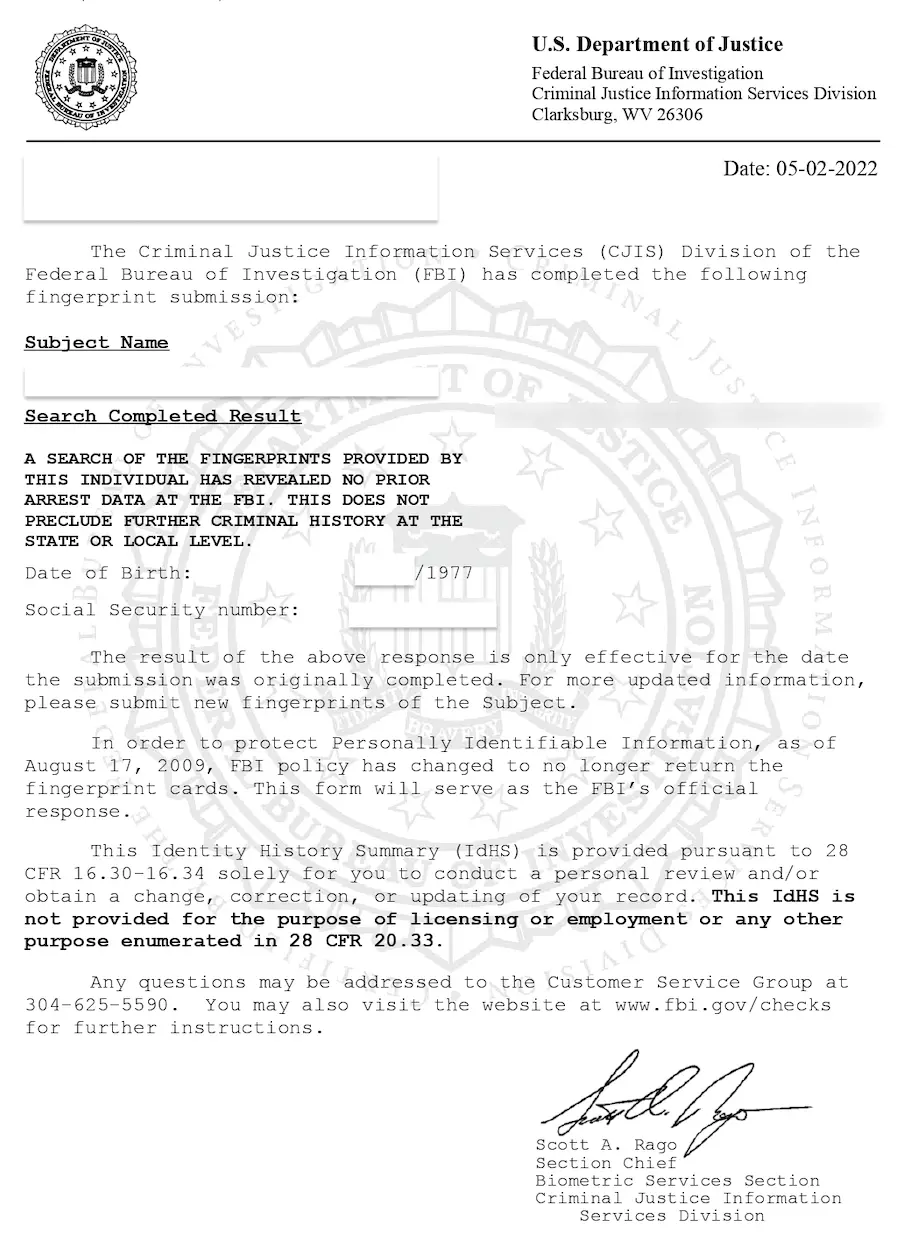
Criminal record certificates may be issued at the federal level by the FBI (FBI Identity History Summary), as well as by the relevant state or local authorities. The specific authority and procedure for obtaining such records depend on the laws and record-keeping system of the particular state.
Certified copy vs. Informational copy: What is the difference?
| Certified copy | Informational copy | |
|---|---|---|
| Legal status | An official copy certified by the competent authority in accordance with the requirements of the relevant state. Depending on the state, the document may bear a seal, signature, security features, or other indications that it is an official certified copy. It is used to establish a registered fact and may be required for government, judicial, administrative, and other official procedures. | Generally intended for informational or research purposes and does not replace a certified copy for official procedures. Its specific status and designation depend on the laws of the relevant state. |
| Who can obtain it | Eligibility to obtain a certified copy depends on the laws of the relevant state and the type of record. For restricted records, eligible applicants may include the person named in the record, certain relatives, a legal representative, or another authorized person. In some cases, identification, a notarized application, or proof of authorization may be required. | In some states, a wider range of persons may obtain an informational copy; in others, the same restrictions apply as to certified copies. |
| What it is used for | Applying for a passport or citizenship, inheritance matters, registering a marriage abroad, legalization and apostille procedures, and court proceedings. For use abroad, an apostille or another form of legalization may be required. | Personal records, genealogical research, and reference purposes. |
| Issuing authority | The competent state or local authority — for example, a state vital records office, county clerk, county recorder, city clerk, or another authority authorized under the laws of the relevant state. | The same authority, but under a simplified procedure and with different designation or markings. |
| Eligibility for an apostille | Generally eligible for apostille issuance after completion of any authentication or certification procedure required by the relevant state. | As a rule, an informational copy is not eligible for an apostille or other form of legalization as an official document intended for use abroad. |
Important
For use abroad, a document must be properly issued and authenticated by the competent authority of the state (or other jurisdiction) that issued it. The U.S. Department of State expressly warns against having the original government-issued document notarized independently, as this may make it ineligible for a subsequent apostille. The specific requirements for the document's form depend on the state and the country in which the document will be used.
What documents can be procured?
Civil Status Records (Vital Records)
- Birth Certificate
- Death Certificate
- Marriage Certificate
- Divorce Decree / Divorce Record — the type of document and procedure for obtaining it depend on the state and the year of the divorce
- Certified Copy of Court Order / Decree Changing Name — issued by the court or its clerk's office
- Adoption Decree and a new or amended birth certificate for the adopted person
- Acknowledgment of Paternity (AOP/VAP) or Order of Paternity
- No Record / Certificate of No Record / Statement of No Record — the name and format of the document depend on the authority responsible for maintaining the relevant records
Consular documents (U.S. Department of State)
- Consular Report of Birth Abroad (CRBA, Form FS-240) — a consular document confirming the acquisition of U.S. citizenship by a child born outside the United States. A CRBA is not a birth certificate.
- Consular Report of Death Abroad (CRDA) — a consular record documenting the death of a U.S. citizen abroad
- Certificate of Witness to Marriage Abroad — for marriages registered before November 9, 1989
Criminal Record Certificate
- Federal FBI record — FBI Identity History Summary (commonly referred to as a rap sheet or FBI background check)
- State Criminal History Record — issued by the authorized authority of the relevant state (for example, the Department of Justice, Department of Public Safety, State Police, or Bureau of Investigation, depending on the state)
- Local Police Background Check — depending on the jurisdiction, this may be issued by a local police department or another authorized authority
Educational documents
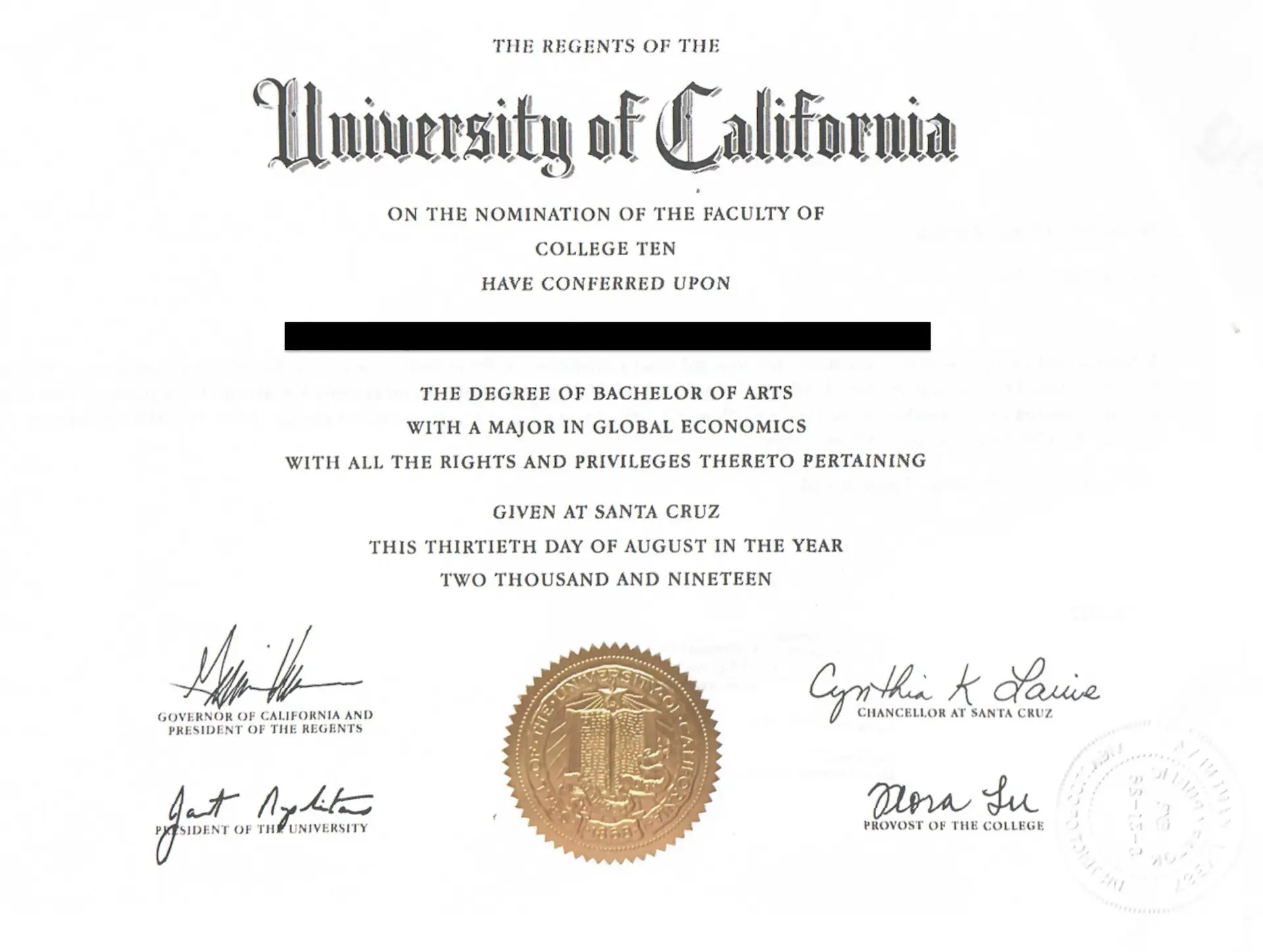
- Replacement copies of diplomas and school records (Diploma, High School Diploma, GED)
- Academic transcripts (Transcripts)
- Certificates and verification documents issued by educational institutions (Enrollment Verification, Degree Verification)
When new documents are required
Civil Status Records
- The document has been lost or damaged
- The receiving authority requires a new certified copy or a document issued within a specified period — the requirements depend on the country and the particular procedure
- A new legal event needs to be documented, such as a birth, marriage, divorce, or death
- Inheritance, property, and family law matters
- Applying for citizenship or a residence permit, or registering a marriage abroad — in accordance with the requirements of the destination country
- Certain administrative and financial procedures requiring proof of identity, family relationship, marital status, or the occurrence of a particular event
Criminal Record Certificate
- May be required for employment, particularly in government, educational, and healthcare institutions
- Establishing guardianship or legal custody, or adoption abroad
- Obtaining certain student and work visas where a criminal record certificate is required by the destination country
- Applying for a residence permit or work permit in countries where proof of no criminal record is required
- Registering a marriage abroad, where required by the destination country's regulations
- Checking one's own records in the FBI database or the relevant state criminal history records system
Who can request document procurement?
Access to civil status records in the United States is governed by the laws of the relevant state. For certain types of records and periods of issuance, access is restricted to authorized persons; other records or certain older records may be publicly accessible. The applicable rules depend on the type of record, the date it was created, and the applicant's status.
| Applicant | Requirements and required documents |
|---|---|
| Person named in the record | In person or through an authorized representative, if this method is permitted by the relevant authority. A Power of Attorney, authorization letter, notarization, and documents confirming the identity and authority of the representative may be required. If the authority accepts a foreign power of attorney, notarization, an apostille, and a translation may be required in accordance with the requirements of the relevant authority. |
| Immediate relatives | Where the laws of the relevant state grant them the right to obtain the record. The list of eligible relatives depends on the type of record and the requirements of the relevant authority. Proof of the family relationship may be required. |
| Parents and legal representatives | For records concerning minor children, parents, legal guardians, or adoptive parents may be eligible to obtain them where permitted by the laws of the relevant state. Documentation confirming their legal authority must be provided. |
| Adoptive parents | In relation to an adopted child. Adoption records and original birth records are confidential or sealed in many states, and access to them is governed by special rules. |
| Authorized representatives and government authorities | In cases and under the conditions provided by the laws of the relevant state. A Power of Attorney, court order, proof of a legal interest, or other documentation confirming the applicant's authority may be required. |
| Third parties | Where permitted by the laws of the relevant state — for example, on the basis of valid written authorization, a Power of Attorney, a court order, or other documentation confirming the applicant's authority. For a foreign Power of Attorney, an apostille and an English translation may be required, depending on the requirements of the relevant authority and state. |
Special rule: adoption
Adoption case records, as well as the original birth record, may be classified as confidential or sealed records (sealed adoption records). After an adoption is finalized, the adoptee is generally issued a new or amended birth certificate (amended birth certificate) listing the adoptive parents. The rules governing access to the original records vary by state: depending on the jurisdiction, a request by the adoptee may be sufficient, while in other cases restrictions may apply or the consent of other persons or a court order may be required.
Document procurement procedure: 5 steps
| Step | Stage | What happens |
|---|---|---|
| 1 | Request and consultation | You submit a request, and we determine which document is required, in which state the relevant event occurred, the country in which the document will be used, and the required format (with a federal or state apostille, consular legalization, or notarized translation). We identify the competent authority and provide an estimated cost and processing time. |
| 2 | Power of attorney or authorization | You sign a Power of Attorney or authorization letter authorizing our representative to act on your behalf. The specific requirements regarding the form of the document depend on the state and the type of record requested. |
| 3 | Submission to the competent authority | Our representative submits the required documents and pays the applicable fees to the competent authority — the state's Vital Records Office, county or city clerk, court, FBI, relevant state criminal history authority, or educational institution holding the record. |
| 4 | Obtaining and legalizing the document | We obtain the completed document. If required, we arrange an apostille (a state apostille through the Secretary of State or another authorized authority of the relevant state; a federal apostille through the U.S. Department of State's Office of Authentications in Washington, D.C.) or arrange consular legalization for countries that are not parties to the Hague Apostille Convention. We also arrange a notarized translation into the required language. |
| 5 | Delivery | We send the completed document package by courier to the specified address in any country worldwide. |
Document procurement processing times
The timeframes indicated below are estimates and refer to the processing of the request by the competent authority. Shipping and subsequent legalization are calculated separately. The actual processing time depends on the state, the type of document, the method of submission, and the current workload of the relevant authority.
| Document type | Procurement time | Apostille (additional) |
|---|---|---|
| Birth, Marriage, and Death Certificates | From several business days to several weeks, depending on the state, the specific authority, and the method of submission. | State apostille: processing time depends on the relevant state. |
| Divorce documents | The processing time depends on the state, the court, and whether a Divorce Decree, Divorce Record, or another document is requested. Archived cases may take significantly longer. | State apostille: processing time depends on the relevant state. |
| Court order for Change of Name | From several business days to several weeks; the processing time depends on the court and the method of obtaining the copy. | State apostille: processing time depends on the relevant state. |
| Consular Report of Birth Abroad (CRBA) | The processing time depends on the current workload of the U.S. Department of State's Passport Vital Records office. Requests submitted by mail require additional time for delivery and processing. | Federal apostille by the U.S. Department of State: 5+ weeks by mail; 7 business days for walk-in submissions (2–3 weeks total processing time); expedited processing is available only in qualifying circumstances. |
| FBI Identity History Summary | The processing time depends on the submission method. Electronic applications are generally processed faster than paper applications. The FBI does not offer a separate expedited processing service; applications are processed in the order they are received. When submitted through an FBI-approved channeler, processing may be faster, but the timeframe depends on the individual channeler. | Federal apostille by the U.S. Department of State: 5+ weeks by mail; 7 business days for walk-in submissions (2–3 weeks total processing time); expedited processing is available only in qualifying circumstances. |
| State or Local Police Record | From several business days to several weeks, depending on the state, the relevant authority, and the method of submission. | State apostille: processing time depends on the relevant state. |
| Educational documents | The processing time depends on the educational institution and the method of obtaining the document. For current institutions, it may range from several days to several weeks; archival requests and requests involving institutions that have been reorganized may take significantly longer. | State apostille: processing time depends on the relevant state. For certain educational documents, additional authentication of the signature or notarization may be required before an apostille can be issued, in accordance with the requirements of the relevant state. |
Important
Birth, marriage, and death certificates in the United States generally do not have a fixed expiration date. However, the authority accepting the document abroad may require a copy issued within a specified period. The applicable time limit depends on the country, the specific procedure, and the requirements of the receiving authority.
The same principle applies to an FBI Identity History Summary: the period for which the document is accepted for a foreign procedure is determined by the requirements of the relevant country or authority. In practice, specific timeframes are established for certain categories. For example, for immigration purposes, USCIS generally accepts an FBI record issued no more than 15 months before the application is filed; foreign consulates often require records issued within the previous 3–12 months. The applicable timeframe should be confirmed with the receiving authority.
What you will need to submit an application
- A Power of Attorney, authorization letter, or other document confirming the applicant's right to obtain the record, if required by the laws of the relevant state and the rules of the specific authority. If the document was executed outside the United States, the receiving authority may require additional authentication (notarization or an apostille) and/or a translation into English.
- A copy of a passport or other form of identification accepted by the relevant state authority.
- Information needed to locate the record in the state archives — name (including former surnames), date and place of birth, parents' names, date of the relevant event, and other information that may be required depending on the type of record.
- The state and, preferably, the city or county where the event occurred (birth, marriage, divorce, or death).
- The prescribed application form, prepared by our specialists in accordance with the requirements of the relevant state.
- Documentation proving the family relationship, the representative's authority, or another legal basis for obtaining the record, if required by the laws of the relevant state.
Specifics of procuring individual documents
General note on the U.S. system
The procedures for maintaining, issuing, and determining the content of civil status and court records in the United States are governed by the laws of the relevant state (or other jurisdiction) and may vary depending on the type of record and the date of the event. The information below provides general guidance for each type of document; specific requirements and procedures must be verified for the relevant state and type of record requested.
U.S. Birth Certificate
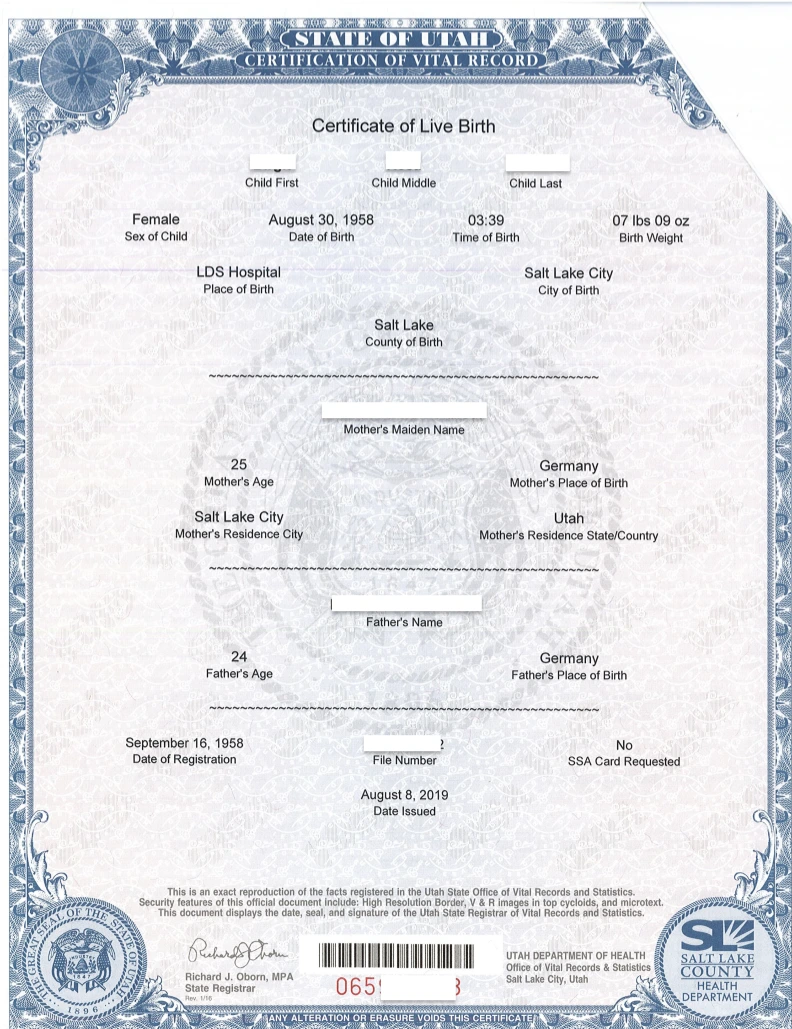
A Birth Certificate is an official document confirming the registration of a birth. In the United States, such records are not maintained at the federal level but by the vital records authorities of the relevant state, territory (Puerto Rico, Guam, etc.), or local jurisdiction.
Depending on the state and the type of copy issued, a Birth Certificate may contain:
- full name;
- date and place of birth;
- information about the parents;
- birth registration details;
- registration number (file number / state file number);
- other information required by the laws of the relevant state.
In some states, applicants can obtain different types of copies, which may be informally referred to as long-form and short-form certificates. Their content and intended use vary by jurisdiction. For use abroad, it is important to verify in advance which type of certified copy is accepted by the competent authorities of the destination country and is eligible for an apostille in the relevant state.
For a child born outside the United States who acquired U.S. citizenship at birth, the U.S. Department of State may issue a Consular Report of Birth Abroad (CRBA, Form FS-240). A CRBA confirms the acquisition of U.S. citizenship at birth but is not a birth certificate.
Required documents:
- A Power of Attorney, authorization letter, or other document confirming the authority of the representative, if required by the laws of the relevant state
- A copy of the applicant's identification
- Information about the state, city, and county of birth, as well as any other information required to locate the record
U.S. Death Certificate
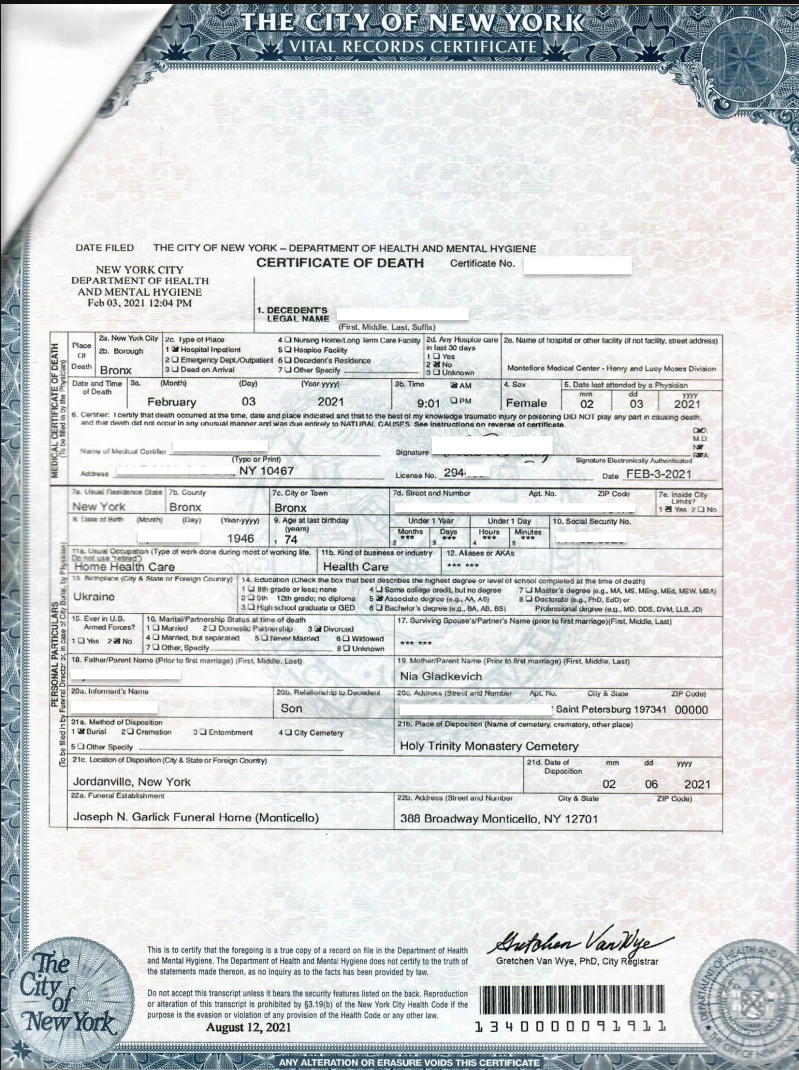
A Death Certificate is an official document confirming the registration of a death. The record is maintained by the vital records authority of the relevant state or local jurisdiction.
Depending on the state and the type of copy issued, the document may contain:
- the decedent's full name;
- the date, time, and place of death;
- the date and place of birth, sex, age, and marital status;
- the cause of death;
- information about the parents and spouse;
- the date and registration number of the record.
Access to the complete record and certain information, including the cause of death, may be restricted under the laws of the relevant state.
Required documents:
- Documentation establishing the applicant's right to obtain the record (for example, a Power of Attorney, authorization letter, proof of family relationship, or another legal basis), if required by the laws of the relevant state
- A copy of the applicant's identification
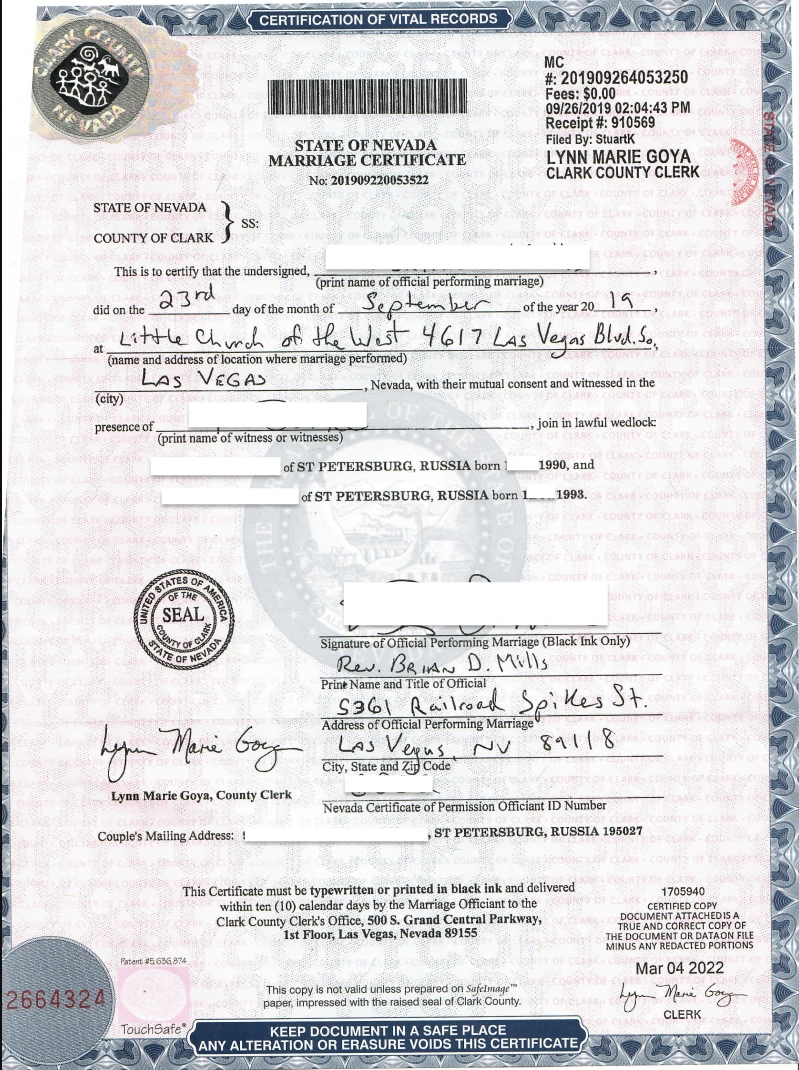
U.S. Marriage Certificate
A Marriage Certificate is an official document recording the registration of a marriage. The procedures for solemnizing and registering a marriage are governed by the laws of the relevant state or other jurisdiction. Depending on the jurisdiction, marriage records may be maintained and issued by a county or city clerk, state vital records office, or another authorized authority.
It is important to distinguish between a Marriage License — a license issued before the marriage ceremony — and a Marriage Certificate — the document issued after the ceremony confirming that the marriage has taken place. The Marriage Certificate is the document that confirms the marriage and is used for subsequent procedures.
Depending on the jurisdiction, the document may contain:
- the spouses' full names;
- the spouses' dates and places of birth;
- the date and place of the marriage;
- the name of the person who officiated the marriage (Officiant);
- the record number or Marriage License number, if provided on the form.
Required documents:
- Documentation confirming the representative's authority or the applicant's right to obtain the record, if required by the relevant authority
- A copy of identification in accordance with the requirements of the relevant authority
- Information about the state, county, and date of the marriage
U.S. Divorce Documents
The primary document evidencing a divorce in the United States is the court's divorce judgment (Divorce Decree or Judgment of Divorce). In some jurisdictions, summary certificates or records of divorce are also issued (Divorce Certificate, Certificate of Divorce, Divorce Record, Certificate of Record — the specific name and content depend on the state).
Divorce Decree (Court Judgment of Divorce)
- Issued by the court that handled the divorce case; a certified copy can generally be obtained from the Clerk of Court or the relevant court office
- May contain provisions concerning the dissolution of the marriage, division of property, spousal support, child custody, and parenting time, depending on the circumstances of the case and the contents of the judgment
- May be required to establish the terms of the divorce, enforce specific provisions of the judgment, or for subsequent judicial or administrative proceedings (for example, when filing motions to modify the terms of the divorce)
Divorce Certificate / Divorce Record (Summary Divorce Record)
- In some jurisdictions, summary divorce records or certificates are available from the state's Vital Records Office. Their name, content, and period of availability vary by jurisdiction. For example, in California, a Certificate of Record is available only for divorces recorded from 1962 to 1984
- Contains basic information about the divorce; the specific information included depends on the jurisdiction and the type of record issued
- For certain administrative procedures, a summary divorce record may be sufficient; however, the specific requirements depend on the authority to which the document is submitted
- As a rule, a summary record does not contain the detailed terms of the court judgment and therefore does not replace a Divorce Decree when it is necessary to establish provisions concerning property division, spousal support, child custody, or other terms of the divorce
Required documents:
- Documentation confirming the representative's authority or the applicant's right to obtain the record, if required by the relevant court or authority
- A copy of the applicant's identification
- The state, county, and date of the divorce, as well as the case number (if known), for a Divorce Decree request
U.S. Court Order for Change of Name
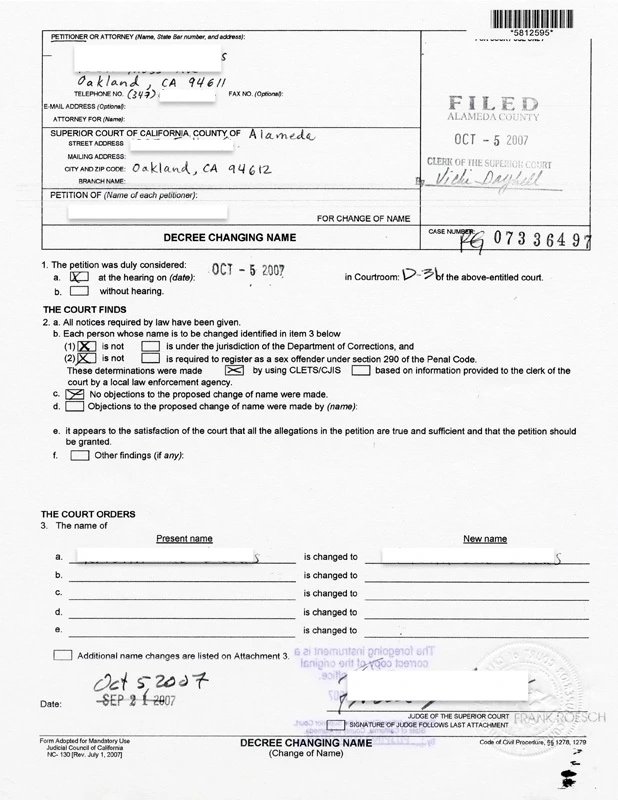
In the United States, a change of a person's name or surname that is not related to marriage or divorce is generally processed through the courts. Upon completion of the procedure, the court issues an order — a Name Change Order, Decree Changing Name, or a document with a similar title — signed by the judge and certified by the court clerk.
Depending on the jurisdiction, the document may contain:
- the former name and surname (Former name);
- the new legal name and surname (New legal name);
- the applicant's date of birth;
- the name of the court, case number, and date of the order.
A certified copy can generally be obtained from the Clerk of Court of the relevant court. A change of surname following marriage or divorce generally does not require a separate court order; the relevant Marriage Certificate or divorce document serves as evidence of the name change, although individual authorities may have their own requirements when updating identity documents.
Required documents:
- Documentation confirming the representative's authority, if required by the court or other authority issuing the copy
- A copy of the applicant's identification
- The name of the court, case number, and date of the order (if known)
U.S. Adoption Documents
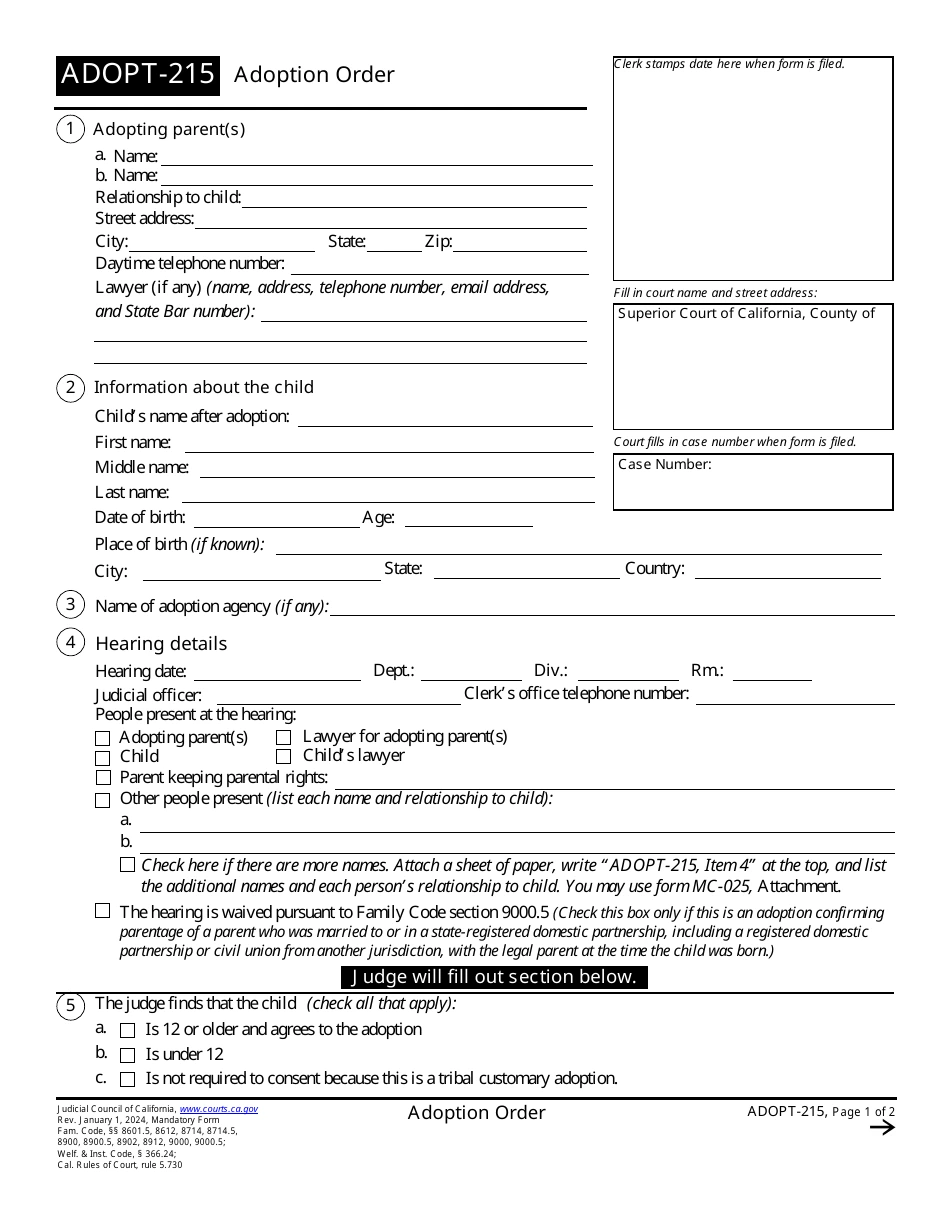
After an adoption is finalized, the court generally issues an Adoption Decree (court order of adoption). Based on the adoption documents, the authorized vital records authority may issue a new or amended birth certificate (amended birth certificate) listing the adoptive parents as the child's parents.
Adoption case records, as well as the original birth record, may be classified as confidential or sealed records (sealed adoption records). The rules governing their maintenance and access are determined by the laws of the relevant state.
Depending on the contents of the court order, an Adoption Decree may contain:
- the child's full name;
- the child's date and place of birth;
- the full names of the adoptive parents;
- the name of the court, case number, and date of the order.
A certified copy of an Adoption Decree can generally be obtained from the Clerk of Court of the relevant court. The rules governing access to the original birth record and other sealed records vary significantly from state to state and may depend, in particular, on the adoptee's age, the date of the adoption, and the existence of statutory restrictions or the consent of interested parties.
Required documents:
- Identification of the adoptive parent or adult adoptee
- If applying through a representative — a Power of Attorney or other document confirming the representative's authority, in accordance with the requirements of the relevant authority
- The name of the court, case number, and date of the order (if known)
U.S. Paternity Documents
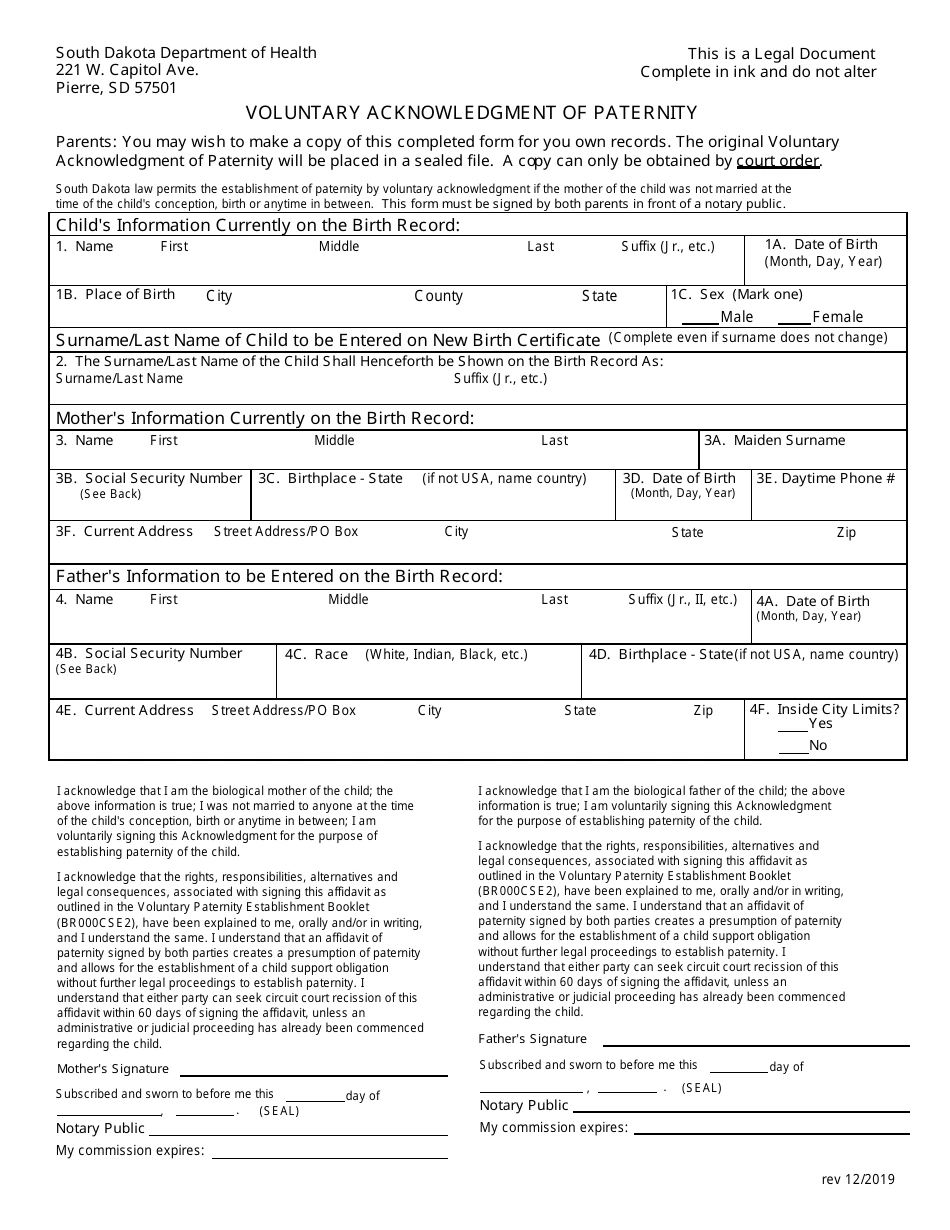
In the United States, paternity may be established in various ways depending on the laws of the relevant state, including through voluntary acknowledgment of paternity or through judicial or administrative proceedings.
Voluntary Acknowledgment of Paternity (VAP/AOP)
- Voluntary acknowledgment of legal paternity using the form prescribed by the laws of the relevant state
- The procedure for signing, witnessing or notarizing, and filing the form depends on the particular state. The acknowledgment is often completed at the hospital at the time of the child's birth; depending on the state, it may also be filed through a child support agency, Vital Records Office, or another authorized authority
- Once properly executed, a VAP/AOP establishes legal paternity in accordance with the laws of the relevant state and may have legal effects comparable to a judicial determination of paternity
- A properly executed VAP/AOP can generally be rescinded within the period prescribed by law (usually 60 days); after that period, it may be challenged only on limited grounds (for example, fraud, duress, or material mistake of fact) provided for by the laws of the relevant state
Court Order of Paternity
- A court order establishing paternity, which may be issued, among other grounds, on the basis of genetic testing results and other evidence
- A certified copy can generally be obtained from the Clerk of Court of the relevant court
After paternity has been established, the child's birth record may be amended; depending on the laws of the relevant state, a new or amended birth certificate may be issued.
Required documents:
- Identification of the applicant, in accordance with the requirements of the relevant authority
- If applying through a representative — documentation confirming the representative's authority
- Information about the state in which the record was registered and, in the case of a judicial proceeding, the name of the court and case number
U.S. Certificate of No Marriage
There is no single federal form in the United States for a certificate of no marriage equivalent to Russia's "Form No. 15." Depending on the requirements of the receiving authority, the absence of a registered marriage may be established by various documents, including a notarized statement of marital status or an official record indicating that no marriage record was found.
Single Status Affidavit (Affidavit of Single Status / Affidavit of Marital Status)
- A sworn personal statement executed before a Notary Public in which the applicant confirms that they are not currently married
- In some countries, this document is used to establish marital status for the purpose of marrying abroad
- For use abroad, an apostille or another form of legalization may be required, depending on the requirements of the destination country
Certificate of No Marriage Record
- A certificate stating that no marriage record was found in the records of the relevant authority for the specified period
- The availability, name, content, and search period covered by such a document depend on the laws of the relevant state or local jurisdiction
- Such a certificate confirms only that no record was found in the relevant registration system for the specified period and, by itself, does not establish the absence of a marriage in all U.S. jurisdictions
Before obtaining the document, the requirements of the specific foreign authority should be verified: depending on the procedure, it may require a notarized statement of marital status, an official certificate of no marriage record, or another document.
Required documents:
- The document required by the relevant authority to establish marital status
- If applying through a representative — documentation confirming the representative's authority
- A copy of identification
- Information about the states and periods of residence, if required to search for records in the relevant jurisdictions
U.S. Criminal Record Certificate
In the United States, criminal record certificates are issued at several levels. The specific document required depends on the requirements of the receiving authority.
FBI Identity History Summary (Federal FBI Record)
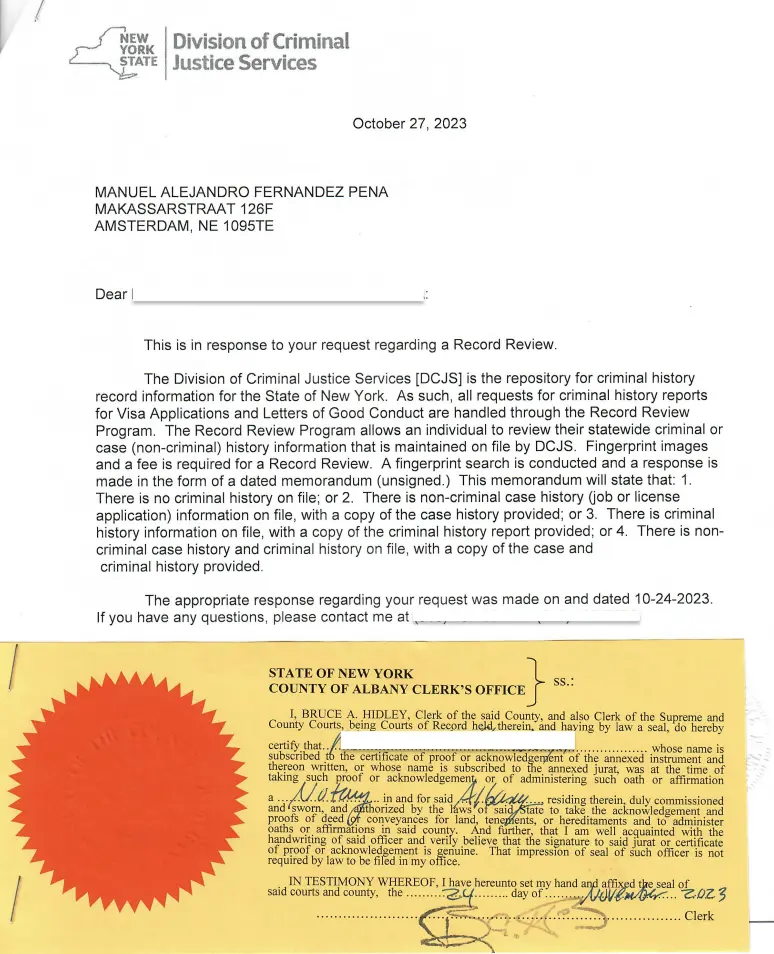
- An official document issued by the FBI Criminal Justice Information Services Division (CJIS Division) based on a fingerprint-based search
- Contains information maintained in the FBI Identity History Summary based on fingerprint submissions
- May be used to establish the presence or absence of criminal record information for visa applications, residence permits, employment, and other foreign procedures, where such a document is required by the receiving authority
- For use abroad, an apostille for an FBI document is issued by the U.S. Department of State Office of Authentications
- Processing times depend on the submission method. Electronic applications are generally processed faster than paper applications. The FBI does not offer a separate expedited processing service; FBI-approved channelers may expedite the transmission of results, but processing times depend on the individual channeler
State Criminal History Record
- Issued by the authorized authority of the relevant state — such as the Department of Justice, Department of Public Safety, State Police, Bureau of Investigation, or another agency designated by state law
- Contains information from the relevant state criminal history system and does not replace a federal FBI background check
- For use abroad, the document undergoes authentication/apostille in accordance with the requirements of the relevant state
Local Police Background Check
- Issued by a local police department or another authorized law enforcement agency of the relevant jurisdiction
- May be used for local administrative procedures where such a document is required by the relevant authority or organization
- For use abroad, additional authentication is generally required
Fingerprinting
Fingerprints are required for an FBI Identity History Summary. For direct electronic submission, fingerprints can be taken at a participating USPS location; they may also be taken by a law enforcement agency or an authorized private fingerprinting provider. For submissions through an FBI-approved channeler, the procedures of the respective channeler apply. For individual submissions, the FBI accepts the standard FD-1164 form; when using an agency or private fingerprinting service, its own fingerprint card may be used. U.S. embassies and consulates abroad do not provide fingerprinting services.
Required documents:
- A copy of identification
- Fingerprints
- The prescribed application form
- If applying through a representative — documentation confirming the representative's authority, in accordance with the requirements of the relevant authority
U.S. Educational Documents
Educational documents that may be procured in the United States include replacement copies of college and university diplomas (Diploma), school records (High School Diploma, GED), academic transcripts (Transcripts), as well as certificates and verification documents issued by educational institutions (Enrollment Verification, Degree Verification).
Replacement copies and certified copies of educational documents are issued directly by the educational institution — generally through the Registrar's Office or a similar department. There is no single procedure applicable to all U.S. educational institutions: the procedure for requesting and issuing documents, as well as the documents required for a request, are determined by the internal rules of the individual institution.
Specifics of the Procedure:
- For currently operating educational institutions, certified copies of diplomas and transcripts can generally be obtained within several days or weeks
- For archival requests, as well as documents from educational institutions that have been reorganized or closed, processing times may be significantly longer
- Replacement copies of certificates issued by private educational courses that do not hold a state educational license are not eligible for an apostille
Educational document apostille procedures in the United States have certain specific requirements: before an apostille can be issued, the signature of the registrar or another official of the educational institution must be notarized. The procedure for notarization depends on the practice of the particular educational institution — in some cases, a member of the Registrar's Office is also a Notary Public, while in others, a separate notary must be engaged. The complete procedure involving the original document may take 2–3 months.
For clients located abroad, we generally recommend an alternative approach: notarization of a copy of the document based on a high-quality electronic scan. In Washington, D.C., such notarization is available for educational documents issued by any licensed U.S. educational institution, regardless of the state in which the diploma was issued. The original document is not required for this procedure, and the notarization itself generally takes 1–2 business days. After notarization, the apostille is issued by the Secretary of State of the state in which the notary is commissioned and generally takes 1–5 business days.
Important
An apostille certifies the authenticity of the document and the authority of the official who signed it; however, it does not replace the qualification recognition procedure (nostrification) in the destination country. In Russia, such recognition is carried out by the Federal State Budgetary Institution "Glavexpertcentre" (FGIS "Glavexpertcentre"). An apostille also does not automatically grant access to regulated professions (medicine, law, etc.).
Required documents:
- A high-quality electronic copy of the document (diploma, certificate, academic transcript, or verification document)
- If available — an electronic copy of the diploma supplement
- If applying through a representative — documentation confirming the representative's authority
Consular Report of Birth Abroad (CRBA)
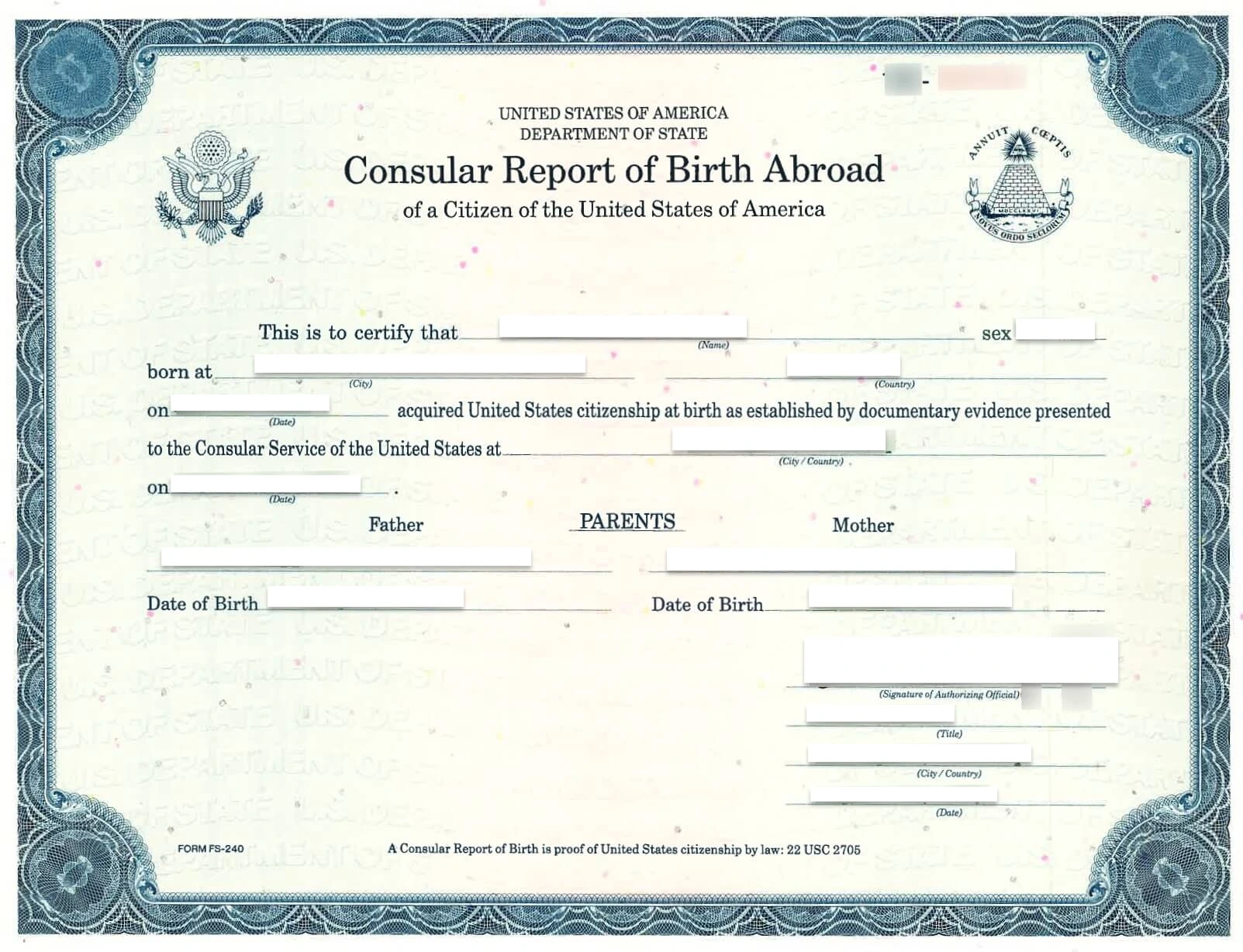
Consular Report of Birth Abroad (CRBA, Form FS-240) is a consular document confirming that a child acquired U.S. citizenship at birth outside the United States based on the citizenship or status of a parent. A CRBA is not a birth certificate and is not proof of legal parentage or custody.
Depending on the record, a CRBA contains information about the child and parents, including:
- the child's name;
- date and place of birth;
- information about the parents;
- the date of registration and form number.
The original CRBA is issued through the relevant U.S. embassy or consulate abroad when the child's birth is registered. The initial application is made using Form DS-2029, submitted by the parents or legal representatives to the U.S. embassy or consulate.
Copies, replacements, and corrections of CRBAs are issued by the U.S. Department of State through Passport Vital Records at:
U.S. Department of State
Passport Vital Records
44132 Mercure Cir.
PO Box 1213
Sterling, VA 20166-1213
An apostille for a CRBA is issued by the U.S. Department of State Office of Authentications in Washington, D.C. For a CRBA issued within the past 5 years, an apostille may be obtained without paying for a separate new copy; an additional fee applies to older documents.
The following are required to obtain a copy or replacement CRBA:
- A completed and notarized Form DS-5542
- A copy of a valid photo identification document
- If applying through a representative — written authorization and documentation confirming the representative's authority
- Payment of the applicable government fee
Under the current rules of the U.S. Department of State, a copy or replacement CRBA may be requested by:
- the person named in the record, if they are 18 or older;
- a parent of a child under 18;
- an authorized government authority;
- a person acting pursuant to written authorization from the person named in the record.
Conclusion
We have prepared a concise table describing each document and providing the key information. Please note that access to records, the content of documents, and applicant requirements in the United States are governed by the laws of the relevant state or other jurisdiction.
| Document | What It Contains | Who Can Obtain It | Documents Required for Procurement |
|---|---|---|---|
| Birth Certificate | May contain the name, date and place of birth, information about the parents, and registration details; the specific contents depend on the state and type of copy issued. | Eligibility to obtain a certified copy is determined by the laws of the relevant state and the type of record; a representative may be required to provide documentation confirming their authority. | A copy of identification; documentation confirming the representative's authority, if required by state law. |
| Death Certificate | May contain the full name, date, time, and place of death, information about the person's birth, marital status, parents, and spouse, as well as the date and registration number of the record; the specific contents and access to certain information (including the cause of death) depend on the state. | Access is determined by the laws of the relevant state and the type of record; access to certain records may be restricted to a specific group of persons. | Documentation establishing the applicant's right to obtain the record; a copy of identification. |
| Marriage Certificate | May contain information about the spouses, the date and place of marriage, and registration details; the specific contents depend on the jurisdiction. | Access rules are determined by the laws of the relevant state and the type of record. | Documentation confirming the representative's authority or the applicant's right to obtain the record; a copy of identification. |
| Divorce Decree (Court Judgment) | Contains the court's orders in the divorce case; depending on the case, it may include provisions concerning the dissolution of the marriage, division of property, spousal support, child custody, and parenting time. | Access to court records is governed by the rules of the relevant court or state. | Documentation confirming the representative's authority; a copy of identification; the case number and name of the court. |
| Divorce Certificate / Divorce Record | In some jurisdictions, summary divorce records or certificates are available; their name, content, and period of availability depend on the jurisdiction. | Access rules are determined by the laws of the relevant state. | Documentation confirming the representative's authority; a copy of identification. |
| Court Order for Change of Name | May contain the former and new name and surname, the applicant's date of birth, the name of the court, case number, and date of the order; the specific contents depend on the jurisdiction. | Access rules are determined by the laws of the relevant court or state. | Documentation confirming the representative's authority; a copy of identification. |
| Adoption Documents (Adoption Decree) | May contain the child's full name, date and place of birth, the full names of the adoptive parents, the name of the court, case number, and date of the order. The original birth record and adoption case records may be classified as confidential or sealed records. | Access rules depend on the type of record and the laws of the relevant state. | Identification of the applicant; the name of the court and case number. |
| Paternity Establishment | VAP/AOP — voluntary acknowledgment of legal paternity using the form prescribed by the state; the procedures for signing, filing, and obtaining a copy depend on the jurisdiction. Court Order of Paternity — a court order establishing paternity. | Access rules are determined by the laws of the relevant state. | Identification of the applicant; if applying through a representative — documentation confirming the representative's authority. |
| Certificate of No Marriage | Single Status Affidavit — a notarized sworn statement confirming that the applicant is not currently married. Certificate of No Marriage Record — a certificate stating that no marriage record was found in the records of the relevant authority for the specified period (not available in all jurisdictions). | The procedure depends on the requirements of the receiving authority and the laws of the relevant state. | The document required by the relevant authority to establish marital status; if applying through a representative — documentation confirming the representative's authority. |
| Consular Report of Birth Abroad (CRBA) | Confirms the acquisition of U.S. citizenship at birth outside the United States; it is not a birth certificate. Contains the child's name, date and place of birth, information about the parents, and the registration number and date. | The person named in the record, if 18 or older; a parent of a child under 18; an authorized government authority; or a person with written authorization from the person named in the record. | Notarized Form DS-5542; a copy of a valid photo identification document; payment of the applicable fee; and, if required, documentation confirming the representative's authority. | FBI Criminal Record Certificate | Information contained in the FBI Identity History Summary, obtained on the basis of a fingerprint-based search. | U.S. citizens, foreign nationals, and stateless persons aged 14 or older — personally or through an FBI-approved channeler. | A copy of identification; fingerprints; application. |
| State or Local Criminal History Record | Information from the relevant state or local criminal history system. | The applicant personally or a representative acting under documentation confirming their authority, in accordance with the rules of the relevant authority. | A copy of identification; application; fingerprints in some jurisdictions. |
What will you receive as a result?
- The requested document
- Notification that the requested document was not found in the records of the relevant state or jurisdiction
- Refusal to provide the document procurement service
What are the reasons for refusal to procure documents?
- The applicant is not among the authorized persons under the laws of the relevant state or the requirements of the issuing authority
- Information required to locate the record in the archives is missing (state, county, date of the event, names of the parties)
- Failure to provide the documents required to confirm identity, family relationship, or authority to act
- The record is classified as confidential or sealed (including adoption records)
- The event occurred outside the jurisdiction of the requested authority (for example, the marriage was registered in another state)
- Errors or inaccuracies in the search information (differences in surname, date of birth, etc.)
Apostille and consular legalization of documents in the United States
The United States is a party to the Hague Convention Abolishing the Requirement of Legalisation for Foreign Public Documents of October 5, 1961 (since October 15, 1981). We offer apostille services for original U.S. documents and certified copies.
A specific feature of the U.S. system is that authority to issue apostilles is divided between the state and federal levels:
- State documents (Birth Certificates, Marriage Certificates, Death Certificates, court orders, educational documents, and notarized documents) — apostilled by the authorized authority of the state in which the document was issued. In most states, this function is performed by the Secretary of State; in Georgia, by the Superior Court Clerks' Cooperative Authority; and in some states, by other authorized authorities. For certain types of documents, additional authentication (notarization, county certification, etc.) is required before an apostille can be issued, in accordance with the requirements of the relevant state.
- Federal documents (FBI records, CRBAs, IRS, USCIS, USDA, FDA, and other federal agency documents) — apostilled exclusively by the U.S. Department of State Office of Authentications in Washington, D.C.
Current processing times of the Office of Authentications:
- by mail — 5+ weeks from receipt of the document;
- walk-in (submission followed by pickup) — 7 business days for processing, with a total processing time of 2–3 weeks;
- same-day expedited processing is available only by appointment and only in qualifying circumstances (such as a serious illness or death of a close relative abroad).
Important warning
The U.S. Department of State expressly warns that you should not have an original federal government document notarized independently — this may make it ineligible for a subsequent apostille. When preparing documents for legalization, the procedure established for the specific type of document must be followed strictly.
If the document is to be used in a country that does not recognize the Hague Convention, such as the UAE, Qatar, or other countries not included in the list, the document must undergo consular legalization.
Notarized Translation of U.S. Documents
Certified copies of civil status records and criminal record certificates may be translated into Russian or another language. In the United States, unlike many European countries, there is no single federal system of sworn translators; instead, the certified translation system is used — a translation accompanied by a translator's statement certifying the accuracy and completeness of the translation. Schmidt & Schmidt provides translation services for U.S. documents, followed by notarization. The cost of the service is calculated based on the length and complexity of the specific document.
Our advantages
- Personalized approach to every order
- Transparent and straightforward pricing
- High quality of service
- Fast document processing
- Optimization of your costs
- Legal accuracy of all procedures
In addition, you can order a notarized translation of documents into Russian from us.